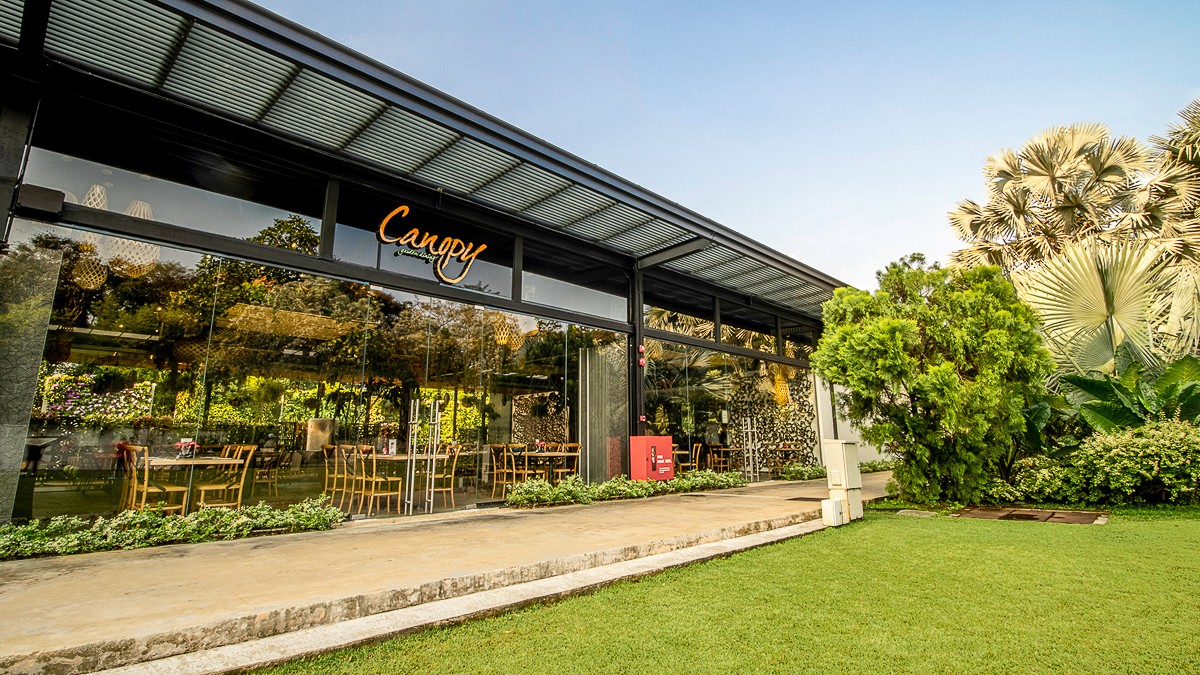
Help people choose an outlet
Show the atmosphere, hours, access, menu and event capacity in one place.
INSTAVAR × CANOPY
Website proposal
For Kian Chong · 11 July 2026
The current site can stay live while I build the replacement. We move the domain only after the content, old links, reservations and event enquiries have been checked.
When we first spoke, the website looked like the obvious place to start. I still think that is right. Kian wants to move quickly, and a better website gives the restaurant, wedding and corporate event businesses one useful foundation.
Then I went through the current site page by page. It is larger than the main menu makes it look. Besides the five outlets, there are articles, event pages, menus, PDFs, old BentoBox addresses, Oddle reservations, Tripleseat enquiries and the newsletter.
That did not make me less keen. It made the work clearer. The job is not to copy a homepage. It is to move a working website without leaving useful parts behind.
This applies to: These numbers come from what is public today. They are a sound starting list, not a claim that we have already seen everything inside BentoBox.
There are unknowns in Canopy's accounts, but there is no unusual technical problem in the public website.
I already build and run websites with Next.js, TinaCMS and Vercel. I work with content migration, redirects, search structure, analytics and staged deployments in Instavar and Eclat. Those are the same building blocks this transfer needs.
I will not copy either existing project wholesale. Canopy should have its own clean repository and its own design. I will reuse the parts that have already been tested: page patterns, the visual editor, deployment checks and the way content is organised.
The remaining questions are ordinary project questions: what is in the BentoBox account, who controls the domain, which menus are current, and how Oddle and Tripleseat are configured. Finding those answers is part of the job, not a reason to hold the job back.
This applies to: This confidence applies to the website transfer we can inspect and test. If Canopy later asks for a new booking system, CRM or custom business application, that would be a separate piece of work.
Show the atmosphere, hours, access, menu and event capacity in one place.
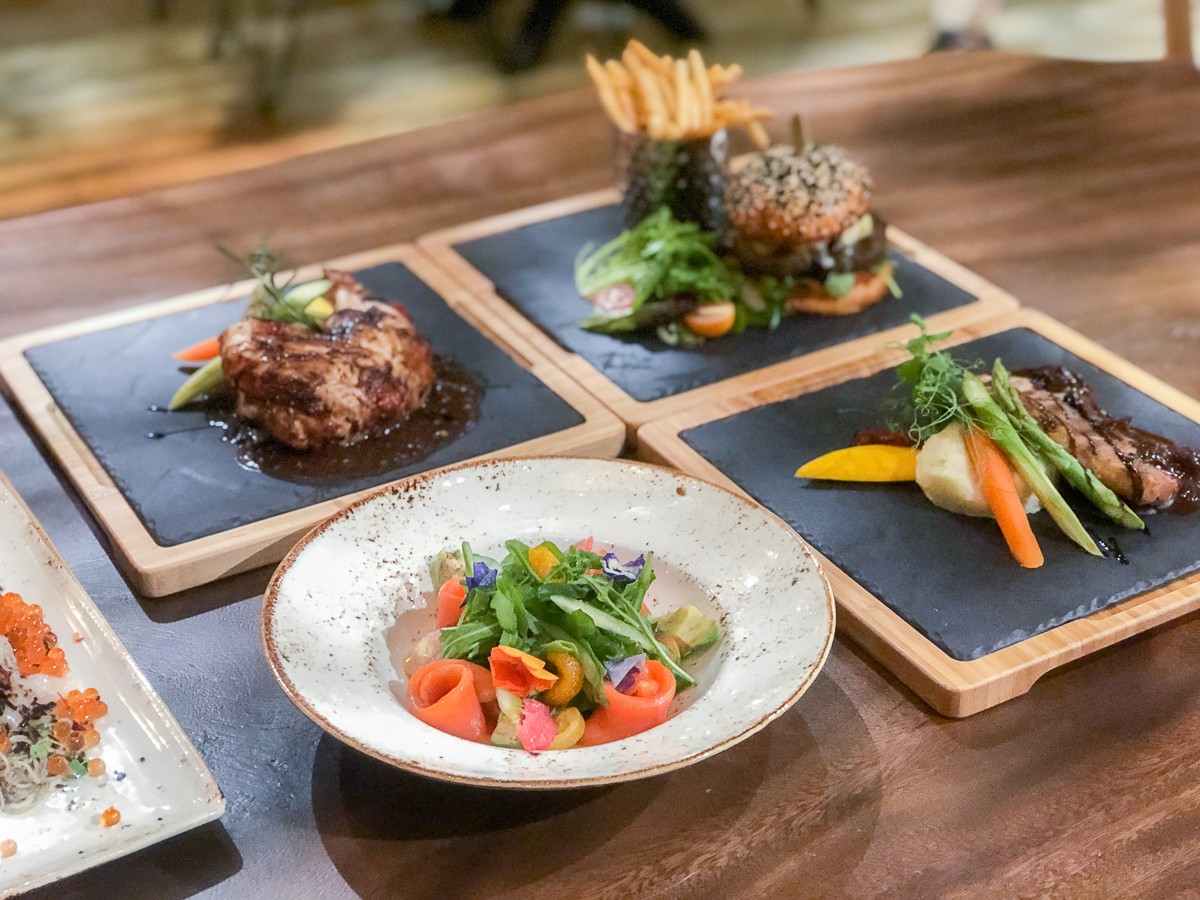
Put the food, venue and practical event answers together instead of scattering them across pages and PDFs.
Send diners to Oddle and event prospects to Tripleseat without rebuilding either service.
The safest way to move quickly is to check the risky parts before the domain changes.
1
Customers continue using Canopy's current website. The replacement lives on a private staging address until it is ready.
This applies to: This covers the website. Oddle and Tripleseat continue running as separate services.
2
I will map the pages, articles, menus, images, PDFs, forms and old addresses. This is how we avoid discovering missing content after launch.
This applies to: The first list comes from the public site. BentoBox access may reveal private or unpublished material that is not visible today.
3
The new site will make it easy to choose between dining, weddings and corporate events. Each outlet will still have its own useful information.
This applies to: This is a website structure, not a promise that all three businesses will grow at the same rate. Sales results still depend on the offer, follow-up and marketing.
4
We will test reservations, event enquiries, automatic acknowledgement emails, menus, mobile pages and old links. Canopy approves the staging site before it becomes public.
This applies to: We can test public flows and account settings that Canopy gives us access to. We cannot verify private settings we cannot see.
Finish the website first. Make it ready for better measurement later, but do not turn the first phase into a long analytics project.
This applies to: “Ready for analytics” means the pages and buttons will be organised so GA4, Search Console and BigQuery can be connected cleanly later. It does not mean this fee includes dashboards, reports or ongoing analysis.
It can move faster if access and feedback arrive quickly. It can take longer if important material only appears late in the transfer.
Week 1
Confirm what needs to move, what remains with another service and which old addresses need redirects.
Weeks 2 to 3
Create the design and the reusable page structures for outlets, menus, weddings, events and articles.
Weeks 4 to 5
Transfer the agreed material, add Oddle and Tripleseat, then check mobile and desktop pages.
Week 6
Fix anything that blocks launch, test the important journeys again and move the domain after approval.
This applies to: This estimate assumes Canopy gives one set of consolidated feedback, provides the required access and keeps Oddle and Tripleseat for the first release. New requirements would be discussed before they change the fee or timing.
I do not know yet. The invoice will answer it. Public prices can still give us a useful reference before we ask.
BentoBox's public page for private chefs currently shows website plans from US$179 to US$349 a month, with setup fees from US$1,000 to US$1,500. Using a planning rate of US$1 to S$1.29, the simple scenarios below follow.
This monthly payment is not quite the same as paying someone for occasional maintenance. It is the price of continuing to use BentoBox and the services bundled into the plan. That is why the cancellation terms and export rights matter as much as the monthly number.
| Time on BentoBox | US$179 plan | US$349 plan |
|---|---|---|
| 3 years | About S$9,600 | About S$18,100 |
| 5 years | About S$15,100 | About S$28,900 |
Canopy may be paying more because it has five outlets, a custom design and several services. It may also have an older or negotiated contract. I would not present any of these estimates as Canopy's actual spend until we see an invoice.
Sources and limits
The price reference comes from BentoBox's public private-chef plans. That customer type is not the same as a five-outlet group, so it is a benchmark rather than a Canopy quotation. The exchange rate is rounded from roughly S$1.29 per US dollar in July 2026.
A sensible starting setup is Vercel Pro at US$20 a month and TinaCMS Team Plus at US$41 a month when billed annually. That is about S$79 a month, or S$950 a year, before the domain, extra usage and any separate support arrangement.
This is a planning estimate based on current Vercel and TinaCMS public prices. It covers software, not my ongoing labour. The final setup could be cheaper or more expensive depending on the number of editors, traffic and the publishing workflow Canopy chooses.
This is for the full public-site transfer described above, not only a new homepage.
Website design, build and transfer
S$12,800
Fixed project fee
Optional after the website is under way
S$4,800
I will set up safe editing instructions, staging branches, automatic checks, two training sessions and a four-week pilot. Staff can prepare changes with Claude Code, see them on staging and ask a person to approve them before they go live.
If Kian wants both parts together, I can do them for S$15,800.
The Claude Code work is useful because Canopy already has developer experience with it. It is not required for launch and it does not give staff direct access to production, customer records or third-party accounts.
The build is my responsibility. These are the few things Canopy needs to make available so I can do it properly.
This applies to: If an account cannot be opened, I can still work with what is public. I just cannot promise to change or verify settings that nobody has shown me.
Once Kian confirms, I will begin with the migration map while the existing website stays live. That gives the project momentum without gambling with the handover.
Reply to Chee Wei to get started.